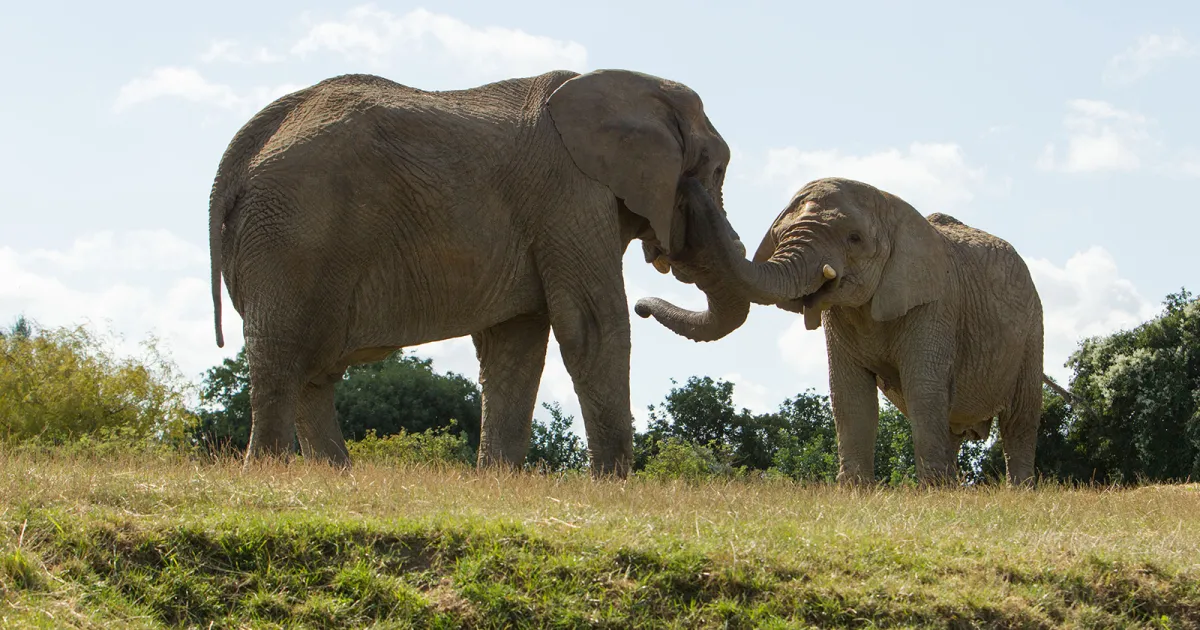
Can Elephants Be Rewilded After Captivity
What Is Rewilding?
For many years, elephants have lived alongside humans, often rescued from logging camps,
circuses, or zoos. The process of rewilding seeks to return these elephants to the forest,
giving them a second chance to live freely in their natural environment. This effort is vital, as
it restores not only their independence but also their place in the ecosystem.
History and Real Examples of Rewilding
Rewilding elephants is a complex task, but successful examples exist. In Africa, projects
have managed to move elephants from sanctuaries back into the wild. In Kenya, young
elephants rescued from difficult circumstances are gradually learning how to survive on their
own. Even older males have shown the ability to adapt, finding new homes in protected
reserves. These cases demonstrate that rewilding is possible, though it requires careful
planning and patience.
Key Challenges
The challenges of rewilding are significant. Elephants raised in captivity may not know how
to find water, avoid predators, or communicate effectively with wild herds. Some may
become too accustomed to humans, wandering into villages in search of food, which can
create dangerous situations for both elephants and people. These difficulties highlight the
need for structured approaches that balance safety with freedom.
What Research and Conservation Practice Suggest Works
Bests
Research and conservation practices suggest that gradual rewilding works best. Elephants
often begin in large, semi-wild areas where they can practice living independently under
expert supervision. Social bonds are also crucial, as elephants thrive when they move with
companions or integrate into wild herds. This slow and steady method increases their
chances of success and reduces risks.
Lessons for the Future of Conservation
The lessons learned from rewilding show that captivity does not have to define an elephant’s
future. With time, space, and patience, many elephants can regain their independence and
live freely once again. However, this process also reminds us of the importance of protecting
forests and natural habitats, ensuring that elephants have safe places to return to.
Conclusion
Rewilding is a challenging but achievable journey. With thoughtful planning and compassion,
elephants can reclaim their wild lives. This effort demonstrates that conservation is not only
about saving animals but also about restoring their freedom and balance in the natural world.