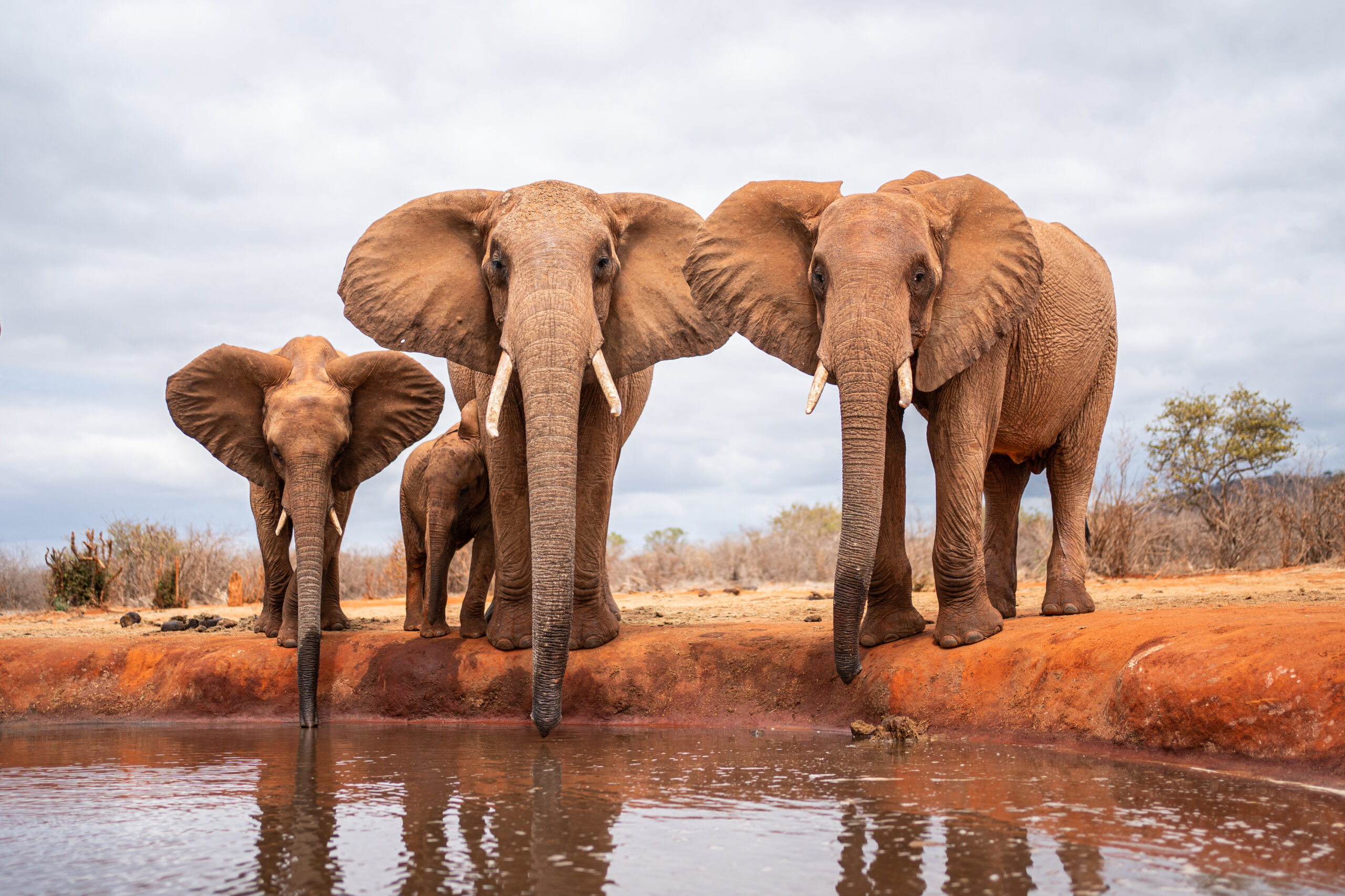
How Elephants Teach Cultural Knowledge Across Generations
Elephants are not born knowing how to survive. Much of their knowledge is learned by
watching, listening, and copying others. Over time, this shared information becomes a kind
of “elephant culture” that is passed down from parents to children, much like humans pass
down traditions. This cultural learning is what allows elephants to thrive in complex
environments and maintain strong social bonds across generations.
The Role of Mothers and Matriarchs
Female elephants live in close family groups led by a Matriarch, who is usually the oldest
and most experienced female in the herd. Mothers play an important role in teaching their
calves basic skills, such as how to use their trunks or which plants are safe to eat. The
Matriarch, however, guides the entire group. With decades of wisdom, she makes crucial
decisions that keep the herd safe, especially during times of danger or scarcity.
Migration Knowledge and Survival Skills
Elephants must remember long travel paths and the locations of water sources, even during
dry seasons when rain has not fallen for months. This knowledge is not instinctive; it is
learned. Younger elephants follow older members of the herd to discover hidden water holes
and safe routes. In difficult times, this shared memory becomes the key to survival, ensuring
that the herd can endure harsh conditions together.
Cultural Memory Loss Caused by Poaching
When poachers kill older elephants, the herd loses more than just a family member—they
lose a living library of knowledge. Without the guidance of wise leaders, younger elephants
may not know where to find water or how to avoid danger. In some cases, they can become
confused or even aggressive. The loss of an elder can weaken the entire herd’s chances of
survival for many years, showing how deeply cultural memory is tied to the wellbeing of
elephant families.
Why Social Memory Matters for Conservation
Protecting elephants is not only about counting how many remain; it is also about preserving
their family structures. When elephant families are kept together, they can continue teaching
younger generations how to live naturally. This helps elephants stay healthy, avoid conflict
with humans, and maintain their cultural traditions. Conservation efforts must therefore focus
on protecting both the animals and the social bonds that sustain them.
Conclusion
Elephants teach one another how to live and thrive, creating a culture that connects the past
with the future. Protecting these giants means safeguarding a unique way of learning that
has existed for thousands of years. By keeping their families safe, we ensure that the stories
and lessons of the elders are never forgotten, allowing elephant culture to continue across
generations.