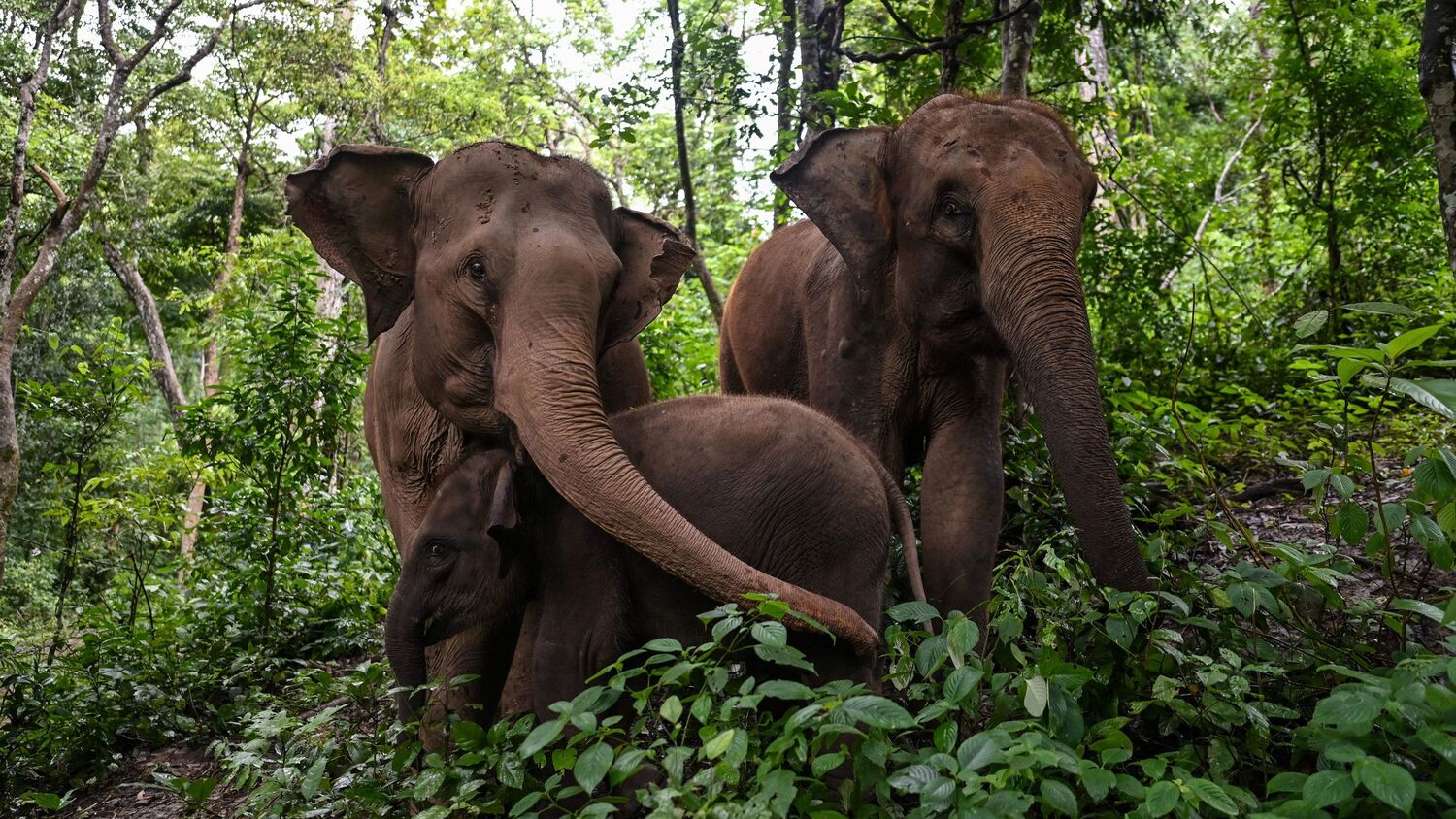
Traffic Between Trees: Elephant Homes Are Shrinking
Asian elephants used to walk all over the huge forests and grassy areas of Asia. They once
lived in many countries, from Turkey to China. But today, their homes are tiny. Elephants
have lost over half of their natural space since the 1700s.
Why Elephants Are Losing Their Homes
This big loss happens because people keep building and expanding. Cutting down forests,
making farms, and growing cities have taken away the elephants' space. When forests
become farms, elephants must walk through villages just to find food and water. This causes
fights between people and elephants. Elephants eat the crops, and farmers sometimes hurt
the elephants to protect their food. Living together used to be easy, but now it's a conflict
because the elephants' home has been cut into small, separate pieces.
How We Can Help: Connecting the Forests
To fix this, we need to do more than just protect small parts of the forest. We need to plan
land use that saves paths for elephants. Creating and keeping wildlife corridors (safe, green
pathways) lets elephants move safely between their tiny forest homes. This helps stop
fighting and keeps the elephant families healthy. Countries like India and Thailand are
helping by planting trees, doing smart farming, and using tracking systems to see where
elephants are so people can be warned.
What This Means for the Future
The story of the Asian elephant shows us that people must plan with nature in mind.
Protecting elephants helps more than just one animal; it helps keep the whole forest healthy.
If we plan smartly and work together, the forests of Asia can once again be safe for
elephants—not as lost wanderers, but as the true, safe owners of the wild.